Product Design
Product Design That Doesn't Feel Like V1.
UX audits, flows, and design systems for products that already have users, but feel harder to use than they should.
What's included
Design work scoped to the product you already have.
UX audits and flow mapping against real usage, information architecture that reflects what the product has become (not what it launched as), design systems and component libraries, interactive prototypes, and ongoing iteration once it's shipped.
This is standalone design work for products that already exist, not a from-scratch build. If you need the redesign built too, that's the Frontend Development or Full-Stack MVP Build service, same team, no handoff gap.
Every engagement ends in a production-ready Figma file: componentized, annotated, and matched to what an engineering team can actually build without guessing.
How we work
Audit before we redesign anything.
Audit
Every flow and screen mapped against what users actually do, not what the product assumes they do.
Map
Information architecture and user flows redrawn around the real usage pattern, not the historical one.
Design
Design system and component library built or extended, then applied to the flows that need to change.
Iterate
Shipped changes reviewed against real data, not a static mockup, and adjusted before the next round.
Tools
Design tools chosen to hand off cleanly to code.
Figma
Design source of truth
FigJam
Flow + IA mapping
Figma prototypes
Interactive testing
Design tokens
Design system → code
Framer Motion
Interaction handoff
Notion
Documentation
Who it's for
Three reasons teams call us in for product design.
The product works, but nobody enjoys using it.
Functional isn't the bar. If users are completing tasks but complaining about how, that gap between working and good is exactly what a UX audit surfaces.
Flows have piled up faster than the design.
Every new feature got bolted onto the existing IA instead of reshaping it. We redraw the structure around what the product has actually become.
You need a system, not one more one-off screen.
Every new screen currently starts from scratch. We build the component library and tokens once, so the next screen is assembled, not designed from nothing.
Recent work
Products we've redesigned.
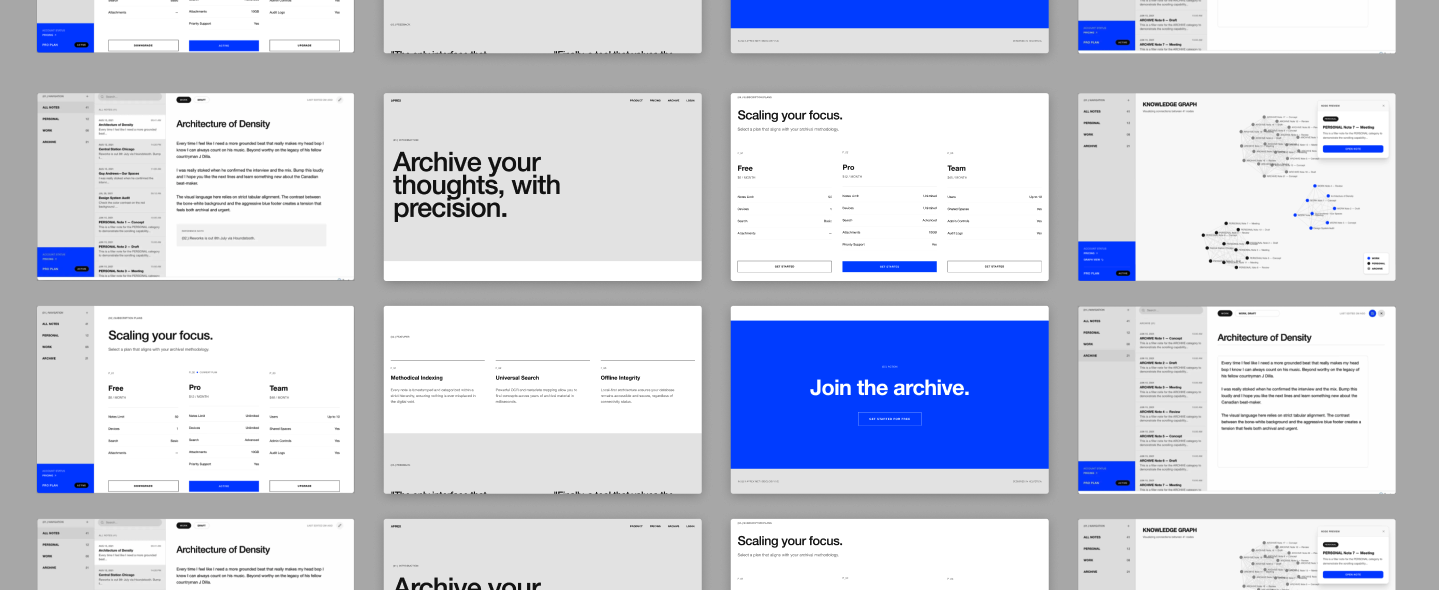
Aprex: Precision Tool for Thought
100+ componentsA full design system built around one rule: every decision serves thinking, not decoration. Command palette, knowledge graph, and Zen Mode, all designed before a line of code shipped.
Read case study →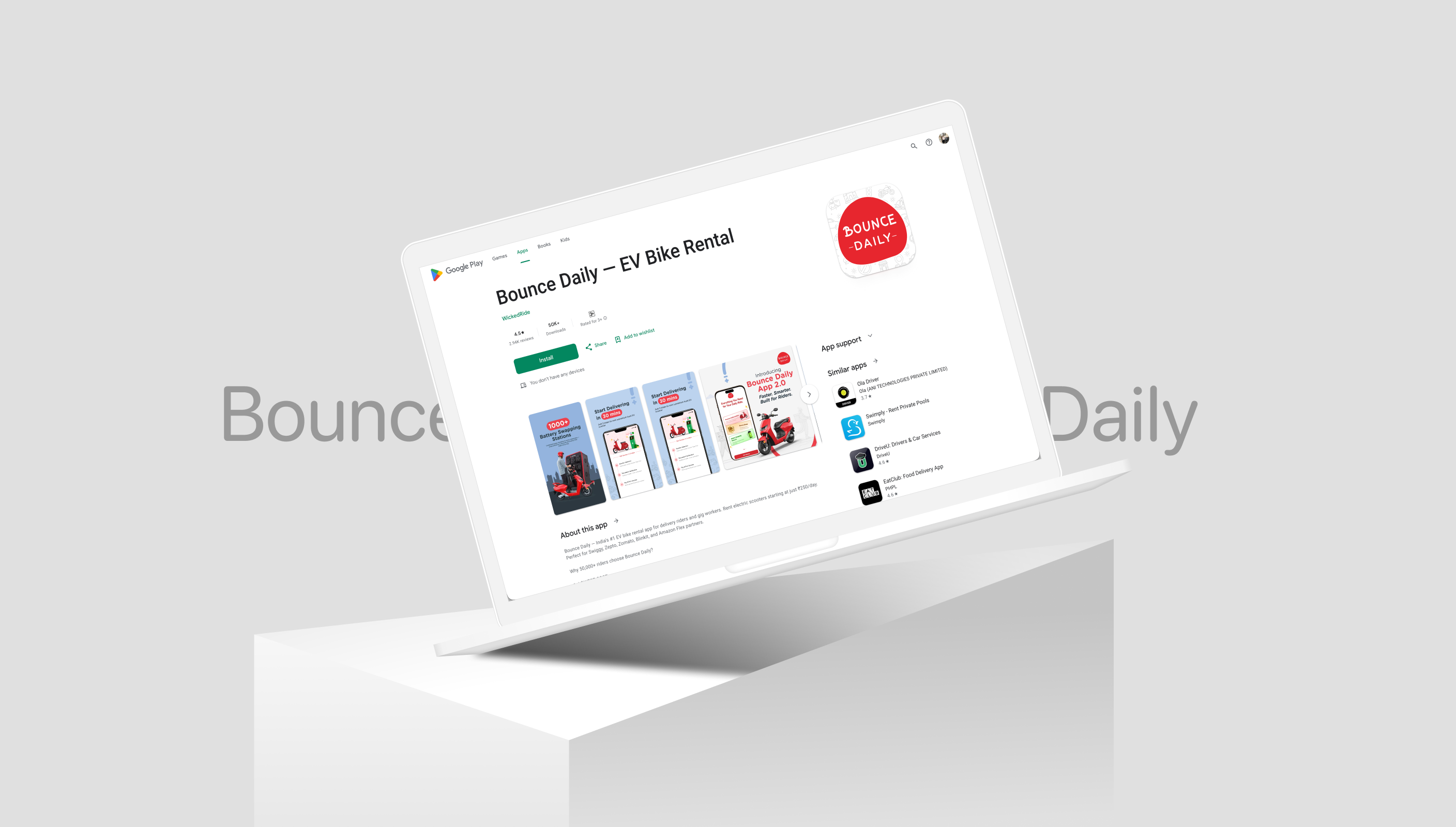
Bounce Daily: EV Rental App Redesign
45% → 65% KYC conversionRedesigned onboarding, payments, and loyalty flows for an app losing 45% of riders during signup. Real-time verification and a payment screen that made what's owed impossible to misread.
Read case study →FAQ
Common questions.
Depends what's broken. Sometimes it's one flow, sometimes the whole IA has drifted. We audit first and tell you which.
Yes. Most of this work extends an existing system, it doesn't replace it.
We can. That's our Frontend Development or Full-Stack MVP Build service, same team, no handoff gap.
A UX audit first: every flow mapped against what users actually do. That's where redesign priorities come from.
A production-ready Figma file: component library, design tokens, annotated states, and interactive prototypes.
Product Design
Product Design That Doesn't Feel Like V1.
UX audits, flows, and design systems for products that already have users, but feel harder to use than they should.
On this page
What's included
Design work scoped to the product you already have.
UX audits and flow mapping against real usage, information architecture that reflects what the product has become (not what it launched as), design systems and component libraries, interactive prototypes, and ongoing iteration once it's shipped.
This is standalone design work for products that already exist, not a from-scratch build. If you need the redesign built too, that's the Frontend Development or Full-Stack MVP Build service, same team, no handoff gap.
Every engagement ends in a production-ready Figma file: componentized, annotated, and matched to what an engineering team can actually build without guessing.
How we work
Audit before we redesign anything.
Audit
Every flow and screen mapped against what users actually do, not what the product assumes they do.
Map
Information architecture and user flows redrawn around the real usage pattern, not the historical one.
Design
Design system and component library built or extended, then applied to the flows that need to change.
Iterate
Shipped changes reviewed against real data, not a static mockup, and adjusted before the next round.
Tools
Design tools chosen to hand off cleanly to code.
Figma
Design source of truth
FigJam
Flow + IA mapping
Figma prototypes
Interactive testing
Design tokens
Design system → code
Framer Motion
Interaction handoff
Notion
Documentation
Who it's for
Three reasons teams call us in for product design.
The product works, but nobody enjoys using it.
Functional isn't the bar. If users are completing tasks but complaining about how, that gap between working and good is exactly what a UX audit surfaces.
Flows have piled up faster than the design.
Every new feature got bolted onto the existing IA instead of reshaping it. We redraw the structure around what the product has actually become.
You need a system, not one more one-off screen.
Every new screen currently starts from scratch. We build the component library and tokens once, so the next screen is assembled, not designed from nothing.
Recent work
Products we've redesigned.
Aprex: Precision Tool for Thought
100+ componentsA full design system built around one rule: every decision serves thinking, not decoration. Command palette, knowledge graph, and Zen Mode, all designed before a line of code shipped.
Read case study →Bounce Daily: EV Rental App Redesign
45% → 65% KYC conversionRedesigned onboarding, payments, and loyalty flows for an app losing 45% of riders during signup. Real-time verification and a payment screen that made what's owed impossible to misread.
Read case study →FAQ
Common questions.
Depends what's broken. Sometimes it's one flow, sometimes the whole IA has drifted. We audit first and tell you which.
Yes. Most of this work extends an existing system, it doesn't replace it.
We can. That's our Frontend Development or Full-Stack MVP Build service, same team, no handoff gap.
A UX audit first: every flow mapped against what users actually do. That's where redesign priorities come from.
A production-ready Figma file: component library, design tokens, annotated states, and interactive prototypes.
Our Work
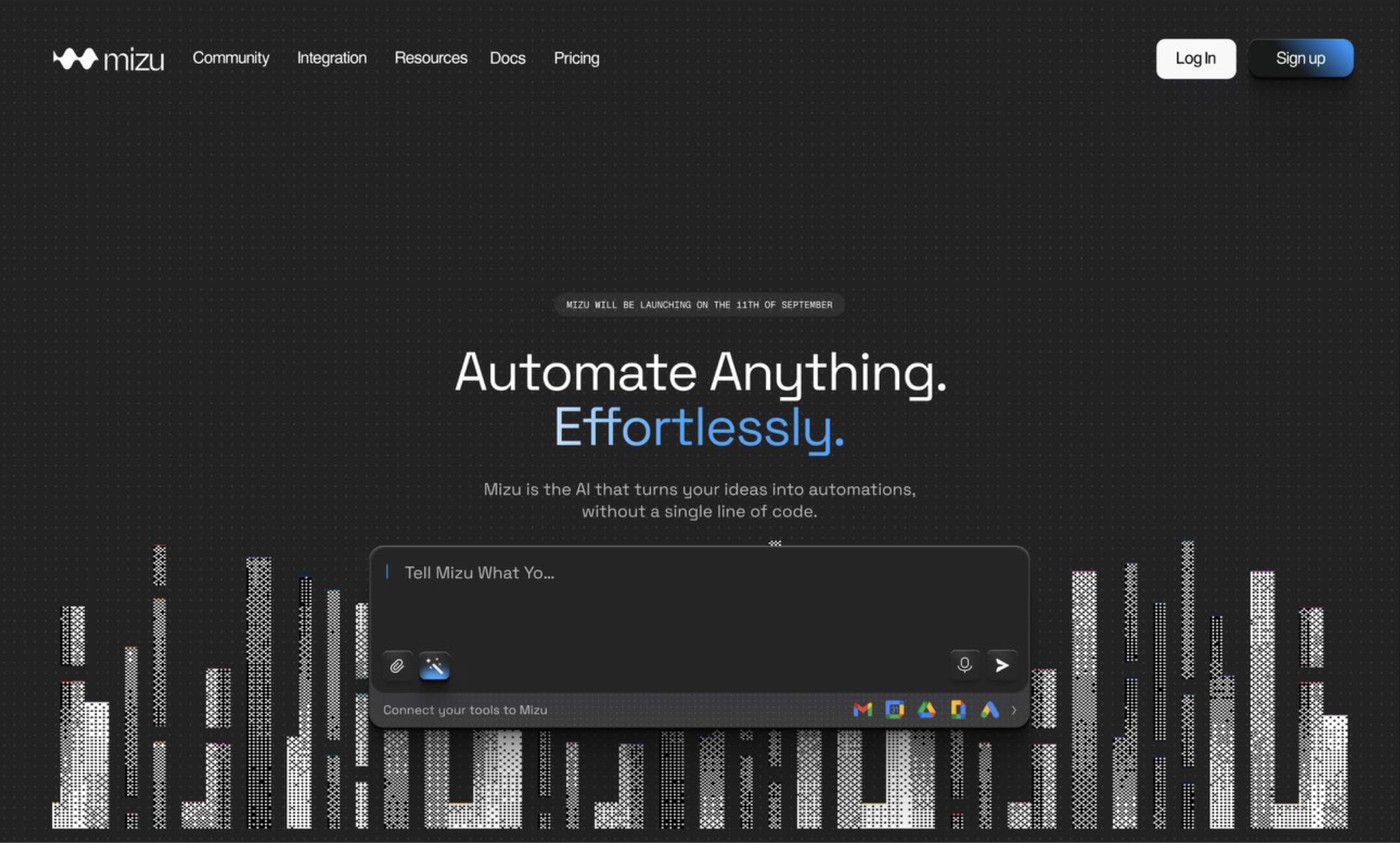
Mizu AI
Shipping an AI-native automation builder from zero to launch in 6 weeks
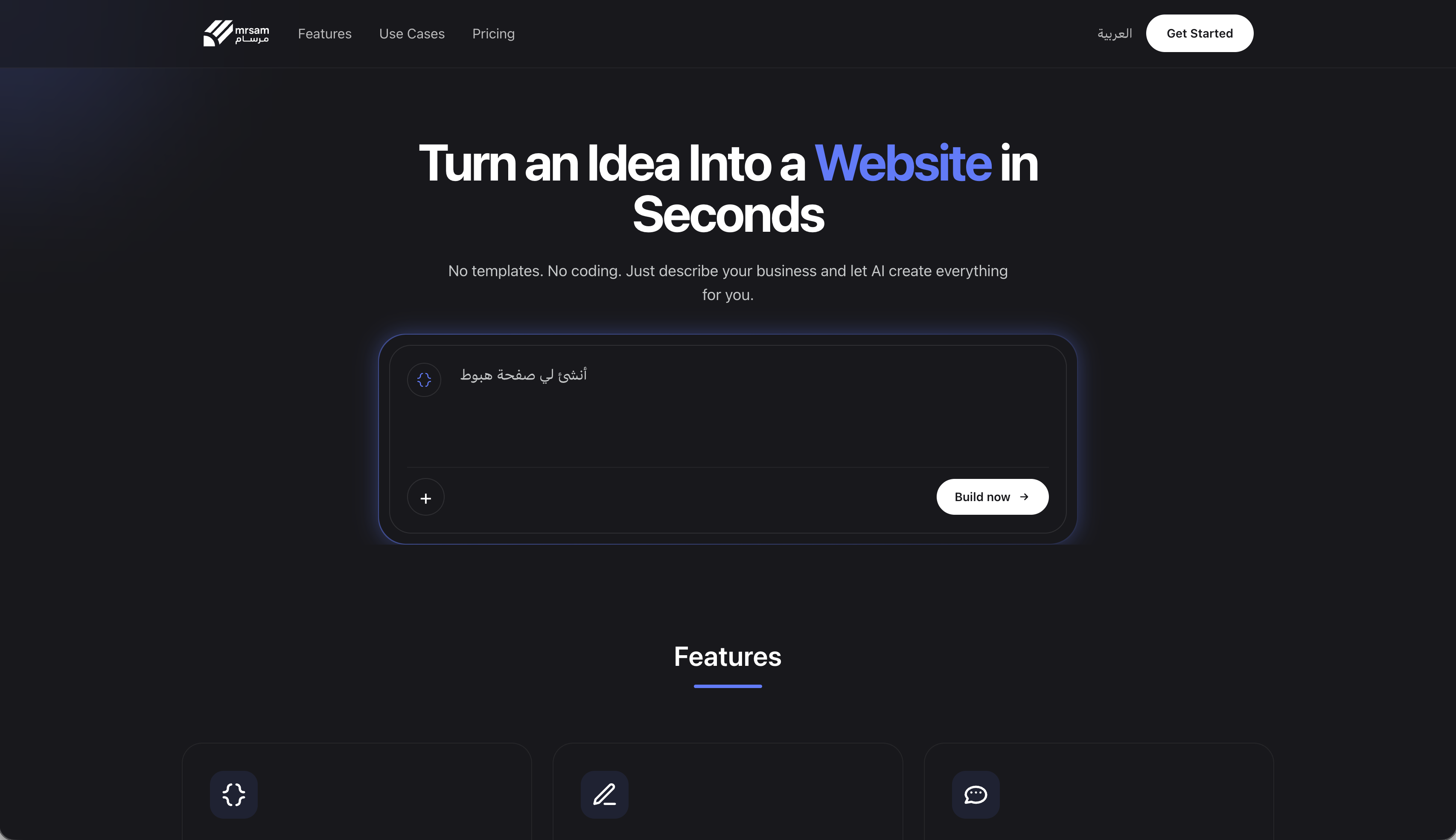
Mrsam AI
The RTL-first, no-code website builder that closed a $500K seed round
Aprex
From blank canvas to production app: a precision tool for thought in React
Book a Call